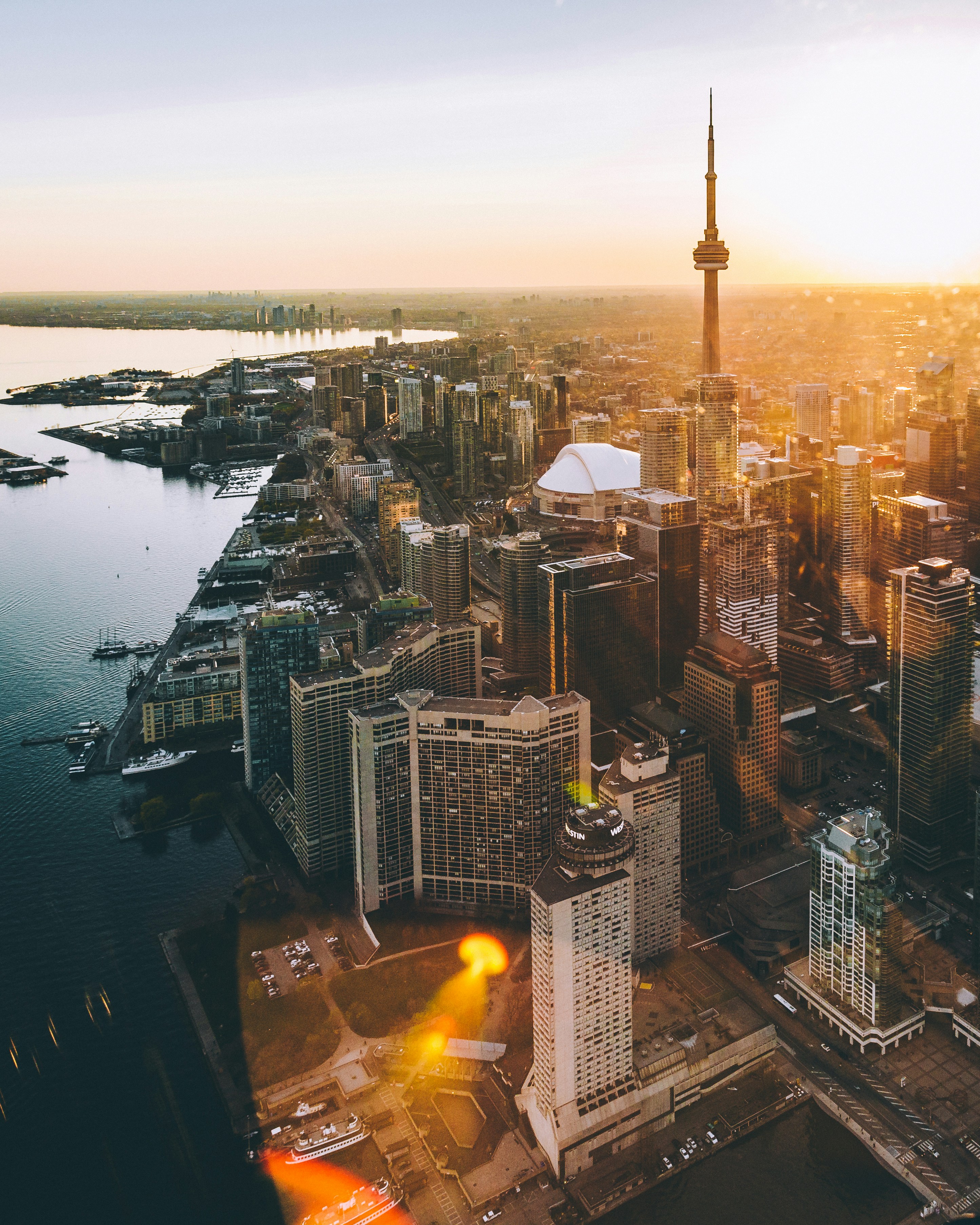
Six issues have surfaced this week that start to set the stage for the 2026 Municipal Elections and Mayoral Race. Transit politics in Toronto, with the waterfront LRT funding versus Scarborough priorities—
I'm stuck as to how transit politics have moved again in Toronto recently. The headlines have shown that the $3 billion Waterfront E LRT has been funded by all levels of government, each committing a billion dollars. This seems to be a moment of cooperation and a major win for the current mayor of Toronto. However, at the same time, I'm noticing a great deal of criticism about whether a suburban infrastructure project has taken a back seat. The shelved Scarborough LRT, technically funded, has shifted discussion toward the Waterfront and away from other Scarborough projects. Equity debates on investment in infrastructure have arisen again. The key people in the discussion, in this case, are our current mayor Olivia Chow, Premier Doug Ford, and Prime Minister Mark Carney.
The second issue that I've seen lately is the Scarborough by-election. It is becoming a referendum on top city priorities. The Scarborough Southwest federal by-election, set for April 13th, has turned into an important proxy fight for Toronto's future direction. The seat was originally opened after Bill Blair resigned to take a diplomatic posting. Candidates such as Dolly Begum (Liberal) are stepping up into the fray. It's interesting to note that transit, affordability, and equitable funding representation in Scarborough are all present in this debate. This includes long delays in the replacement of infrastructure and the frustration about this infrastructure development among the general population. This by-election is giving a platform for those concerned in the immediate term. The major figures in this discussion include Dolly Begum, and indirectly Doug Ford, who is watching Scarborough closely at the provincial level, even though this is a federal election. It's a test of whether suburban Toronto feels heard under Mayor Chow’s leadership.
The third issue in recent discussions includes criticism about transit reliability, specifically LRT performance issues. New LRT lines in Toronto were delayed and are not working as promised. The Finch West LRT is an example, with cross-town transit timing much longer than expected. Mayor Chow has pushed for fixes and taken charge of the priority. However, it is a very sensitive issue because it undermines confidence in projects that the city is promoting for the future. If major transit lines do not deliver as promised, it raises concerns about building and spending, and whether Toronto can execute infrastructure projects properly. The players in this discussion include Olivia Chow, the TTC, and advocacy groups.
The fourth issue recently has been the decision by Toronto Hydro, controlled by Toronto City Hall under Mayor Chow, to invest $550 million over 10 years to overhaul all streetlight systems in the Toronto area with new LED controllable smart lights, along with the replacement of a great deal of underground infrastructure that had gone long past its best-before date. The expected savings of $6 million per year can hardly pay back the $550 million cost. Each property taxpayer can expect to pay a significant amount for this capital upgrade. It is very reminiscent of the long-neglected upgrade of the freshwater supply network in Toronto, which was finally addressed with a huge capital cost and significant price increases over a three-year period. With concerns about the performance of recent transit infrastructure, some people are questioning whether this 10-year project pricing is accurate, and the discussion about the impact on taxpayers is missing. The only things we have heard are that streets will be brighter, lights can be dimmed, and issues can be fixed sooner.
The fifth issue recently is the expected cost to taxpayers with the waterfront LRT system. Even with all levels of government funding the initial budgeted costs, those governments will not cover cost overruns, leaving Toronto taxpayers exposed to a very large extent, especially since nearly every major infrastructure transit system has gone over budget. With ongoing discussions about affordability, several more years of increased taxpayer costs from overruns are likely in Toronto. Discussions are surfacing again that people commuting into the Toronto area are not paying their fair share of transit costs for using and accessing the downtown core, leaving Toronto taxpayers on the hook.
Finally, with these six issues from this week, there has been early positioning for the 2026 Municipal Elections. Although Olivia Chow, the current mayor, has a strong position, she is being challenged by Brad Bradford, who has achieved a great deal of public notoriety in recent press conferences on these issues, with some questioning whether his voting record has been aligned in the past. Other potential challengers will likely emerge over the next few months. Stand by and let’s see what happens in the discussion going forward.