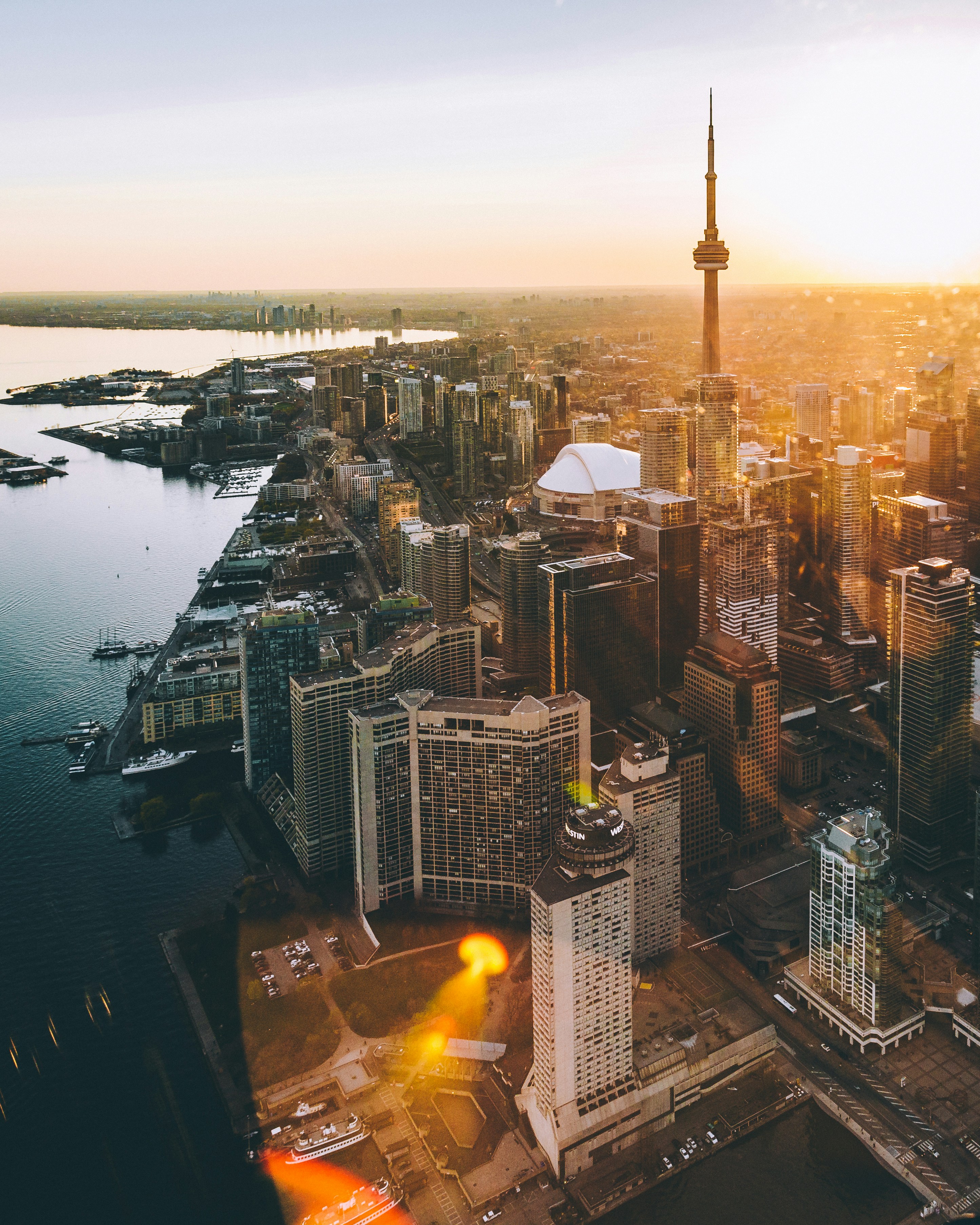
The central political battleground is set up with the 2026 budget and affordability in one corner, and execution risk around transit and infrastructure delivery in the other. The Mayor’s $18.9 billion budget is centred on keeping costs down, flat TTC fares, and increasing social programs, which still ended up with a residential property tax increase of 2.2%, on the backs of a 6.9% increase in 2025 (5.4% base and a 1.5% building fund), plus a 3.75% solid waste fee increase. These increases are part of a triad of increases, with 9.5% in 2024.
The elephant in the room is the $63 billion, 10-year capital expenditure plan (see the $550 million LED street lighting overhaul in my April 12th note that might not even be in the $63 billion number). Inflationary pressures, with no expected interest rate drop this year, and oil prices possibly staying very high to the end of the year, mean the financial stability of the city and its residential property owners is equally important as affordability and access to subsidized housing for others.
Add the renegotiation of the CUSMA cross-border trade plan with the US starting in May, which is likely to have a negative economic impact on many local manufacturing businesses. However, given the extremely poor schedule and cost adherence, and the operating performance of recent mega transit projects, residents are looking for the best candidates to be the stewards of this huge $63 billion capital investment underway. We hope for a lively discussion with the many candidates expected to run.